

 Hotels
 Vacation rentals
 Brands and ad agencies
 Airlines
 Destinations
 Travel agencies
 Cruises
 Car rentals
 Financial institutions
 Activities

Learn how travelers select their destinations to best reach them at influential stages of planning.
What’s in this episode
Does a meaningful trip create happiness? According to Harvard professor and bestselling author Arthur Brooks, it can — and he knows the formula.
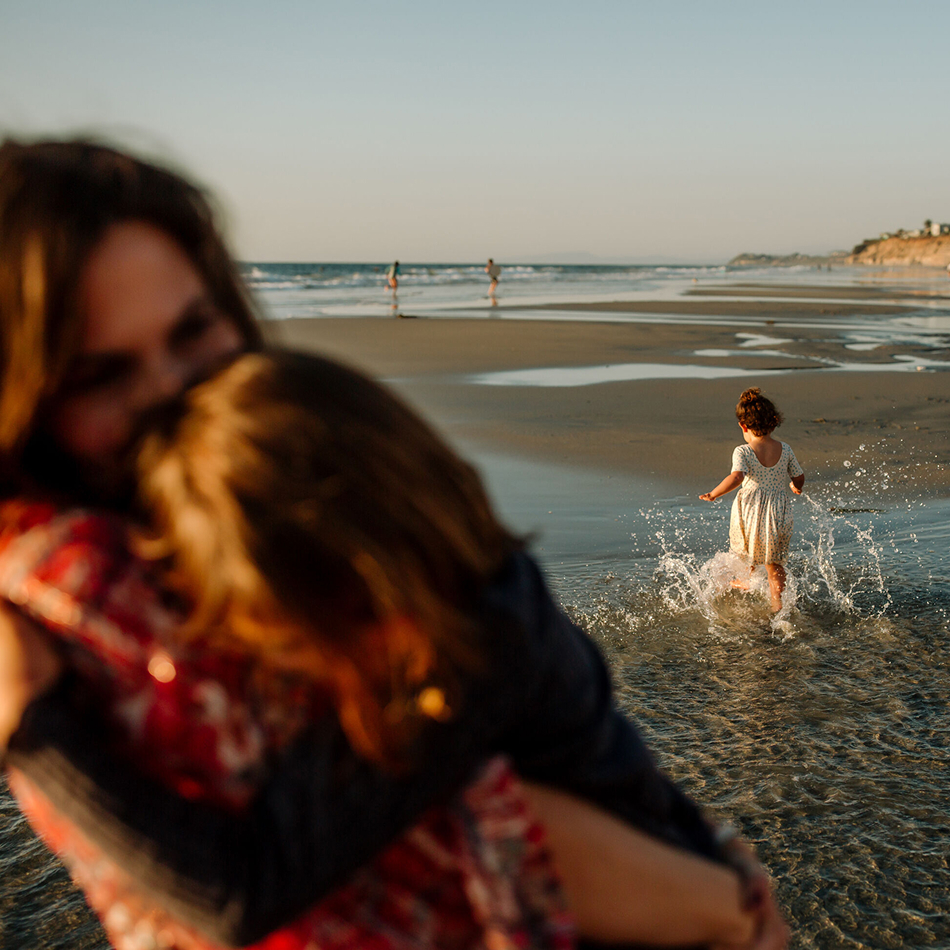
Arthur shares what he considers to be the three "macronutrients" of happiness and how travel delivers them through a change in routine, memory-making, and shared experience. He describes how the best trips — from spontaneous adventures to quiet moments on the beach — involve a little excitement, a little fear, and a lot of meaning.
Tune in to the full interview below to learn the psychology behind making travel memories last and what the industry needs to understand about creating real emotional value.
“Travel isn't the product. Happiness is the product...and that's where the magic happens.”
Read the transcript
[00:01:41] Arthur I'm delighted to be with you.
[00:01:42] Elisabeth I am starting with a very tough question. It might get me fired.
[00:01:47] Arthur Throw me for a loop here.
[00:01:48] Elisabeth So, my big boss, the CEO of Expedia, Ariane Gorin, she says the travel business is the happiness business. Can you make or build happiness?
[00:01:58] Arthur Yes, and that is a correct statement. That done right, the travel business is the happiness business. And generally is, and there's a reason for that because travel actually has all the characteristics that will bring you greater levels of happiness. It won't bring you perfect happiness. It's not as if you stay on the road all the time that you're gonna be the most blissful person ever. On the contrary, I mean, he's still gonna have canceled flights and you're still gonna...and by the way, you also need to go home. I know lots of people who try to stay in these liminal spaces between no equilibrium in their whole life. That's not the secret to happiness either. But the truth is that travel, particularly when it's a punctuation to your equilibrium, is one of the best things you can possibly do for your happiness.
[00:02:36] Elisabeth What's the foundation of happiness? You said there's three things.
[00:02:39] Arthur Well, there's three macronutrients. Sort of the protein, carbohydrates, and fat of happiness are enjoyment, satisfaction, and meaning. Those are the three parts of it. And travel primarily in the enjoyment macronutrient. So, I have to explain what enjoyment is. It's not pleasure. And a lot of people say, you know what they say, tell me about enjoyment. They'll say, well, I enjoy getting a good massage or having a nice glass of wine. And that mixes up pleasure from enjoyment. So, pleasure is what we would call limbic. It's experienced in the limbic system of the brain, which is an ancient console of tissue between two and 40 million years old in evolutionary terms. And that exists to give you signals about if something is good for you, right, or bad for you. That's where you make your emotions, your feelings, right? So, pleasure is occurring. It's saying something is for you getting calories or mates or something like that. That's not a good goal for life is getting pleasure. Pleasure is fine, but it doesn't lead to happiness. And if your goal is feeling good all the time, it's gonna end badly. You're gonna end up with addiction and problem. We knew people like that in high school, and they didn't do well. But it's related to happiness because when you add two things to pleasure, you can manage the pleasures and they won't manage you. You need to add two things to pleasure to turn it into enjoyment. They are people and memory. You add pleasure with people and memory to pleasure and you get enjoyment. And that moves the experience into the part of your brain called the prefrontal cortex where you make your conscious decisions, the c-suite of your brain. And when you're experiencing pleasure along with people in memory in your prefrontal cortex, you can manage the pleasure so they don't manage you, and you can permanently have this enjoyment because of the memories that you're making. And so what I tech talk to my students about — my students are in their 20s — is if there's something that gives you a lot of pleasure and we're all really good at producing a certain kind pleasure because of our background and our habits, etc., etc. If you're doing it alone, you're probably doing it wrong, because you're stopping at pleasure and that's not it.
[00:04:37] Elisabeth You need that community. You need those people.
[00:04:38] Arthur You need people, you need memory. And so, for the beer commercials, they never feature a guy pounding a 12 pack in his apartment by himself. Because that's like, that's a bad look. Our beer is the favorite beer of alcoholics everywhere. It's not what you want, right?
[00:04:53] Elisabeth No, you see them in backyards, you see them at the beach.
[00:04:56] Arthur With people.
[00:04:56] Elisabeth With people making memories.
[00:04:58] Arthur Exactly right. So, this gets us to travel. Travel is ideal for this, because what you have is you have fun plus love plus memories. So, when travel is done right, it's fun, full of experience. It has love involved in it because it's best when you don't do it by yourself, when you have somebody that you're with and you're making a memory. Why? Because you're out of your equilibrium. You're doing something unusual. You're outside of your routine. And so you're putting those three things, and what you're doing is you're building this macronutrient that you need to be a happier person. Travel is almost the best way for you. If you do it systematically and you do it right, you do it with the right resources and you do it on purpose, it's one of the best ways to have a very happy life.
[00:05:43] Elisabeth Now I'm really worried I'm not traveling right.
[00:05:45] Arthur Tell me about that.
[00:05:45] Elisabeth Okay. So, my dream day while traveling is to go hiking, do something exercising or stimulating for my brain, like going to a museum. But then I like to go and do nothing. So, am I only going to be partially happy?
[00:06:00] Arthur Tell me what doing nothing means.
[00:06:02] Elisabeth Sitting on the beach with a book, maybe taking a nap.
[00:06:07] Arthur That's not, well, it's not really doing nothing, especially if you're sitting on the beach, someplace that's not your home. You didn't say you like to sit in your living room as much as you like sit on that beach.
[00:06:16] Elisabeth No, I was thinking the beach for sure.
[00:06:17] Arthur Yeah, there's a reason for that. It's a beautiful place, you know, the Pacific Ocean.
[00:06:22] Elisabeth The smells, the textures, the feels, okay.
[00:06:25] Arthur You're actually having an experience, and you're doing something that's fun. But you actually are mixing it up in a really nice way. Do you like to — you don't go on vacation alone, do you?
[00:06:33] Elisabeth I have, but no, I usually go with my family or my friends. It's not as fun. It's not as fun. It's very lonely, I should be honest.
[00:06:41] Arthur Yeah, it can be lonely. And now there are all kinds of edifying experiences that you can do. I mean, I'll go on spiritual retreats by myself sometimes that will fulfill a lot of these, you know, what you need to have a happy life, too. And they're travel things too, for sure. But you don't wanna go to the Eiffel Tower by yourself. So, I'm gonna go see the Eiffel Tower, and I don't want anybody to bug me. I wanna be by myself entirely. And I've heard of that, but it's really quite unusual.
[00:07:05] Elisabeth All right, now I have a question that comes from a friend. Earlier this year, she had been in Rome with her mother the same day the new pope was announced.
[00:07:13] Arthur Oh, that's great luck.
[00:07:14] Elisabeth I was going to say, could that be the best vacation ever?
[00:07:18] Arthur Well, what will happen when something weird happens that you're not planning, what that does is you lay down very dense memories. That's how neuroscientists talk about it. So, this is the reason that if you're on a roller coaster, it lasts 11 seconds, that it feels like it lasts a lot longer. When you're in a car accident, which is unpleasant, that feels like it's real slow, like time stops, because you're so heavily laying down memories, episodic memories in the hippocampus of your brain, that that makes time actually feel like it's stopping.
[00:07:46] Elisabeth So, the way your brain is recording this.
[00:07:47] Arthur Yes. The denser new memories out of your routine that you have, the slower that time goes. So, she's going to have an unbelievable memory. But she's gonna think of the two days that she was in Rome as if it were two months. And it kind of was. Time is actually not linear. Time is only linear on the calendar, on the clock, but that's artificial. That's a model of time. Your clock is a model time, kind of like the thing on your phone is actually the road you're driving on. It's a representation of it. Time doesn't go in lengths. Time goes in chunks. And the size of the chunk depends on a whole bunch of things. It depends on how old you are, so how much of life you've experienced. It depends whether you're bored or excited because it has to do with neurochemistry, but then it also has to do with the density of the memories that you're laying down. So that's one of the most important things to do when you're traveling is to have dense memories, doing things that you haven't done before. That's one of the reasons that I recommend. A lot of people say, I go to the same place on vacation, do the same thing every year. And I say, that's kind of a mistake. I mean, what you really want to do for your, for your psychological longevity and your happiness is...now different people are different, to be sure. I mean there's some people that really are like routine more because of who they are, their own psychological makeup. But and so your results may differ. Buton average, doing a new, different kind of adventure is a really good thing to do to psychologically increase the length of your life and have more happiness.
[00:09:09] Elisabeth So for me, having going to a brand-new island I'd never been to before and scuba diving, that's why I have glorious memories of this trip to Roatan.
[00:09:18] Arthur And even if some of it you didn't like, you'll still have strong memories of it because of its newness.
[00:09:25] Elisabeth And strong positive memory?
[00:09:26] Arthur Not necessarily, but that's interesting, because a lot of people, a lot of the richness from their life doesn't come from just their positive memories. You don't only want to have positive memories. The whole point is there's got to be serendipity in it, and there's got to be a little risk. When you're thinking about a vacation, your gut tells you a lot. So, he's like, I should go here, should I go, like, horseback riding or should I ride a motorcycle across the Kalahari desert or you know, whatever. Whatever your thing is, right? If you have five different things that you can do, which people are thinking about. Here's the way to think, here's how your gut will sort it out. And here's not a follow it. There's three sensations when you're thinking about doing anything. By the way, that means taking a new job or entertaining a marriage proposal.
[00:10:03] Elisabeth Not just travel.
[00:10:04] Arthur Yeah, totally, right.
[00:10:05] Elisabeth So, listen to your gut. Okay.
[00:10:06] Arthur So, your gut can give you excitement. It can give you fear, and it can give you a sense of deadness.
[00:10:13] Elisabeth And fear and deadness, very different.
[00:10:16] Arthur Deadness is kind of emptiness. You know, when I think about doing certain things that people love to do on vacation, I feel kind of deadness. It's not my thing, right? Okay. So, the ideal vacation that you don't know about is not because it's a scary experience, but because of the uncertainty, having not done it before, should be about 90 percent excitement, 10 percent fear. Not zero percent fear, because it might go wrong. It might not be great. And zero percent deadness, that's what you're looking for. So, when you're lookin' through the things, like, that's so new. I've never done anything like that before, there's a 10 percent chance I'm going to hate it, right?
[00:10:49] Elisabeth Still do it though.
[00:10:49] Arthur Of course, of course, because even if you don't like it that much, you're going to lay down tons of memory tracks, you're not going to do it again. And you're gonna have psychological longevity because of your vacation.
[00:10:59] Elisabeth Here's something I wanna know, though. You lay down these dense memories. How do I know I'm gonna have them in five, 10 years? How do I have them and they don't lose meaning or just become a snapshot? Like these extraordinary trips that I wanna remember with this vividness, how can they best be memorialized?
[00:11:17] Arthur There's the typical way that people do it. They take tons of pictures, right? And there's a problem with that. When you're taking pictures on a vacation, you enjoy your vacation less. I don't want that to be true. And if you intend. It's true.
[00:11:28] Elisabeth There's research, if you take too many photos.
[00:11:30] Arthur No, no, no, if you take photos on your vacation.
[00:11:32] Elisabeth Just period.
[00:11:33] Arthur You enjoy your vacation less. And if you intend to post them to social media, you enjoy your vacations a lot less. And the reason is because you're not present. You're in the future. When you're taking pictures of your vacation, you're in future looking back on the present as if it were a memory. In other words, you're time traveling into the future and into the past simultaneously. And the one place you're now is here now in Fiji. And you came to Fiji to be in Fiji, but you're actually back in the United States already thinking back on Fiji, which was in the past. It's craziness. The human brain is unbelievable. The prefrontal cortex is a miracle to be sure, but it makes it very easy for us to degrade our experiences. So, a better way, and again, you're gonna take vacation photos. Don't get me wrong. Don't take them for Instagram. Take them for yourself. And when you're traveling with people that you love, assign one person to take photos each day, and so the others can't. So, this is a good protocol. That's important. And then if you really want to remember at the end of the day, write a journal about what you did that day.
[00:12:35] Elisabeth And do it every day.
[00:12:36] Arthur Do it every day, at the end of the day. Because what you're doing is then you're really laying down very heavy memories.
[00:12:41] Elisabeth And how long should each journal entry be?
[00:12:43] Arthur It depends on what you want to do. I like to write in bullet points. It's really great if you can actually do that, and you'll go back and look at it and read it and remember.
[00:12:51] Elisabeth You're right. It doesn't have to be the most lyrical thing. Bullet points so you're laying down the most exciting parts of your day.
[00:12:56] Arthur Or even the boring parts, you know, I got up late, you know, room service brought me the wrong thing. It was, you know, they couldn't, they wouldn't give me a towel on the beach, whatever, you know, I got stung by jellyfish.
[00:13:09] Elisabeth There were no chairs left because there were too many towels on the beach?
[00:13:11] Arthur Something. Something. Even that stuff is really because you'll look back on it and laugh.
[00:13:16] Elisabeth What's been really fun is hearing these travel stories, and some people had the worst trips, but they have the greatest memories. There are these stories, and again, stories connect people, and then they connect people to these memories. How should travel providers be taking all of these lessons about happiness and travel? How can they create a story that's unforgettable for their guests?
[00:13:39] Arthur Well, to begin with, it's very important that travel professionals remember what exactly the product is. The product isn't the travel. The product is the experience. The product is experience that starts when you leave the house. And when you get to the airport and when you're waiting for your flight and when you get to your destination and all the things that happen and when you actually get all the way back home, that's the experience, right?
[00:14:02] Elisabeth So, all these transitions.
[00:14:03] Arthur Yeah, that's right. So that's really important to keep in mind, because the more that travel professionals can streamline the different parts of the experience that are not strictly the vacation, the better off it all goes, right? That doesn't mean that you can do that for everybody. It's a huge world to be sure. But the more that you can, that's the great thing about Expedia is that it's an integrated travel experience, which is, like, come here, we'll make sure you've got the right rental car. We'll ensure you've the right hotel that's comfortable and you won't pay too much and you'll be on the airlines that's best for you, etc., etc. So, that's why integrated travel experiences is really important, because that's what the experience is. It's not the flight. It's the whole shebang. Underneath that is the reason you travel. So, what travel professionals need to be thinking about is the why of the travel, not just the what and how of the travel. And that's really, really important, because you have to understand the motive. So, there's, you know, the two big motives are...there's business travel and pleasure travel, right? And they're certain, they're kinda, for me, they're totally intermingled. I travel 200,000 miles a year. I'm on the road 48 weeks a year. I travel constantly.
[00:15:03] Elisabeth But your needs are different.
[00:15:04] Arthur My needs are different, but the whole point is that when I'm grounded, I hate it. I hate it. I mean, I want to go, go, go. And so, for me, business and pleasure are the same thing. And so that's a really important thing to keep in mind and understanding the why and talking openly about the why. And at the end of the day, there's this that the truth of the matter is that travel when done right is a happiness profession. And, so what's the destination? Getting happier. That's the destination. Market it by saying, this is where you get your greatest memories. This is where you have your most interesting experiences. This is where you learn to fall in love with your spouse again. This is where you solidify the relationships. This is love, experiences, fun, and memories. That's what to market, because that's what people really, really want. Fiji's great, but what people really want is love.
[00:15:55] Elisabeth Yes, they want love. And that experience you kept on talking about, I guess, they wanna fall in love, but they also want that story. So, you're saying the destinations, hotels, they need to really focus on that experience about that love, okay.
[00:16:10] Arthur And the airlines, too.
[00:16:11] Elisabeth And the Airlines, too.
[00:16:12] Arthur Even the rental car agencies.
[00:16:13] Elisabeth Okay, imagine I'm a rental car operator, how would I invoke a happy experience?
[00:16:19] Arthur When somebody comes in and they get to the front of the line and you say, where are you going today on your vacation? And they'll tell you, it's like, have you ever been there? What are they doing? And what you're doing is you're increasing dopamine in the brains of the people about to rent your car because you're increasing anticipation of the experience that they're about to have. And then when they bring their keys back and they say, how was it? How was it? That's how you do it, because you are giving.
[00:16:40] Elisabeth Simple props for the dopamine.
[00:16:42] Arthur Totally, I mean, the rental car people can pretty dramatically increase the pleasurability of the enjoyment from the experience of travel.
[00:16:51] Elisabeth I was in Baltimore the other day visiting with some friends. And when I got there, they were so excited to ask me why I was there. And I was so excited to tell them I'm here celebrating my birthday with three old friends. And they were, like, that sounds great. By the way, we have a karaoke room downstairs and a speakeasy. And I like, yes, bring it on. Because it was a hotel, and they were giving me experiences, and they wanted me to have a good time.
[00:17:13] Arthur I know, I know that the hotels can do a really a lot of good. And by the way even, you know, road warrior hotels.
[00:17:23] Elisabeth I was gonna say, does it all have to, the joy, the experiences, don't have to come from luxury.
[00:17:27] Arthur Not necessarily. On the contrary, I don't want luxury. I don't want luxury, I don't luxury. Hotels in particular, right? I mean, it's, like, it amazes me that they're not checking kiosks and hotels and then you get in 11 o'clock at night and you're in a line to check in. That amazes me. That's a mistake.
[00:17:43] Elisabeth Okay. But then there is a human saying, why are you here? Whereas a check-in kiosk can't say, I'm so excited.
[00:17:49] Arthur You've been waiting for, you know, 25 minutes to get to the human, and then they say how are you here for? It's 11 o'clock at night. It's not the right time.
[00:17:56] Elisabeth Okay, so again, know your guests and know what they want at the, at the pulse point.
[00:18:00] Arthur Exactly right. And all the things that they actually really really want. And you know, it's funny because as an inveterate road warrior, I've been on the road at least seven months a year since I was 19 and I'm 60. This is a lot of years. And so, you know, learning exactly the kinds of things that make the travel experience richer, more fun, more interesting, that's a great thing to do, right, such that travel that will bring both business and pleasure at the same time.
[00:18:27] Elisabeth Okay. So, I had this trip last Christmas, Arizona family, great hotel, had actually been there three times before. So excited. And the trip was eh, and I flew home.
[00:18:40] Arthur How was it eh?
[00:18:40] Elisabeth I could probably because, looking back, I had one brother who could only stay for two days. And in the past years that we had had this vacation, it was the entire family together. And their absence. We were all kind of wandering around, like, where are they? What can we do? And we stayed at a nice hotel. We ate really well. The pool was top-notch. But I couldn't wait to get home. And I think it was because of this absence. And it really made me think about having a dissatisfying vacation because you want to have happiness. You spend all this money. You're spending it with your family. But it was this one element that's gone.
[00:19:19] Arthur That's interesting. Were you really worried about work at the time you took this vacation?
[00:19:24] Elisabeth That's, yeah, because of that.
[00:19:25] Arthur That's what I would say. So, you told me nothing else, but I went to Arizona and had a great hotel and wonderful food and a good pool and the weather was perfect and I didn't have a good time. The first thing I'd think was were you in a place in your work where you couldn't stop thinking about it and you kept checking your phone? You got to be there. You can't. That's one of the reasons that, as we talked about, why taking pictures is not great.
[00:19:44] Elisabeth What brings you back to the same hotel? Is it that cocktail on the beach? Is it the extra towels? What brings back to be a repeat customer?
[00:19:52] Arthur For me, and this is just me, right, there's two things that I really, really like. Now, there's certain non-negotiables. Like, I don't want to be next to the elevator or the ice machine. I don't want the HVAC to go ding, ding, ding, all night, right? I mean, all this obvious stuff. But for me, I want a soft bed. I just want a soft, comfy bed with, you know, I really. That's one of the reasons, you know, certain hotels, I know that they have softer beds. Right, this is me. Second is I want a great gym. And it's got to be open all the time. Because I don't know, I'm on my most jet lagged, right? I want a great gym and I want a soft bed so I can get a good night's sleep and get up and just beat it up, and I'm ready for the day and I am feeling happier. That's the whole thing.
[00:20:31] Elisabeth Yeah, you need that rush. You have made a career out of the science of happiness. What would the travel industry, what's your one big takeaway for them?
[00:20:40] Arthur The big trade takeaway to the travel industry is that they are a happiness industry, not a travel industry. Travel isn't the product. Happiness is the product. And when you understand that, you go from the what to the why, and that's where the magic happens in business, and that's when the magic happens in people's lives.
[00:20:56] Elisabeth Okay, that might be some mind sets, but it will draw more customers.
[00:21:00] Arthur Totally look at the destination as happiness. That's very different than the destination is Akron. Nothing wrong with Akron, but we want to be happier, is the bottom line.
[00:21:10] Elisabeth Love and happiness.
[00:21:11] Arthur Totally.
[00:21:12] Elisabeth First thing you do when you check in. Do you check out the bed, or is there something else you do as soon as you get to your destination?
[00:21:18] Arthur The first thing that I do is I turn off the television. Because it's always on. Welcome, Mr. Brooks. Newsflash, hotels, we don't need a TV.
[00:21:31] Elisabeth We are talking to travel professionals. So, what have we missed? What do we need to know?
[00:21:36] Arthur We all want to do something is when we earn our daily bread that lifts people up and brings them together. And it can be a pretty far-fetched case in a lot of things that people have to do every day. But for travel professionals, and I know it's a stressful job. I mean, who knows what's going to happen. It's a stress thing, and it's so schedule based. And you're trying to make people happy, but then there's problems and there's a lot of...but the whole point is to actually do something that's this intimately linked with wellbeing. There just aren't that many professions that provide that. What a blessing it is. You know, it's interesting because it's how you can, travel is one of the only ways that you can actually convert money into happiness. You know, because, you know, it's not cheap to travel, but that's one of the best investments you can actually make in your own happiness. That's actually, literally, travel is how you buy happiness.
[00:22:23] Elisabeth This was so much fun. Arthur Brooks, thank you for joining Powering Travel.
[00:22:27] Arthur I love it and I love travel. I love what you're doing.
[00:22:30] Elisabeth Thank you.
[00:22:30] Arthur Thank you
[00:22:34] Elisabeth What a joy it was to talk with Arthur Brooks. His take on happiness reminds us all that great travel experiences aren't just about luxury or location. They're about meaning, memory, and connection. So, whether or not you're an everyday traveler or in the industry, the big takeaway here is clear: We should focus on creating true enjoyment, not just fleeting pleasure. That way, we'll create the kind of travel moments that really stick. Hey, stay tuned for more interviews like this. So, subscribe on Spotify, Apple Podcasts, anywhere you listen to your favorite podcasts. So, thank you for listening to this podcast, Powering Travel. I'm your host, Elisabeth Goodridge, and I cannot wait to see where you go to next.
Meet the experts

Elisabeth Goodridge
Director, Content Editor & Writer
Elisabeth, who worked for decades as an editor and journalist, now leads partner storytelling at Expedia Group as a Director, Content Editor & Writer. Formerly with The New York Times, the Boston Globe, and other news organizations, she brings years of award-winning expertise in travel coverage and audience-first content.

Arthur Brooks
Professor, Harvard University
Arthur teaches courses on leadership and the science of happiness at Harvard University and to audiences around the world. He writes the “How to Build a Life” column for The Atlantic and is the #1 New York Times bestselling author of 13 books, including “Build the Life You Want: The Art and Science of Getting Happier” (co-authored with Oprah Winfrey).
Where to listen





Was this page helpful?
Tell us how we did so we can improve our site.

